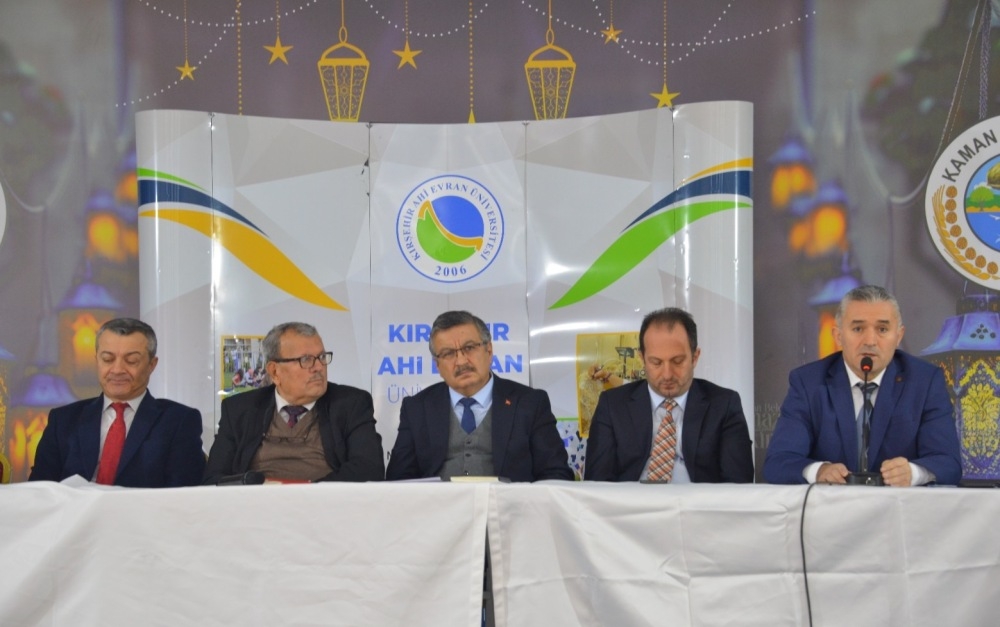
Faculty members from the Faculty of Agriculture at Kırşehir Ahi Evran University met with farmers in the district of Kaman as part of the “Academy in the Field” events, organized under the motto “20 Years of Academic Experience Meets Kırşehir’s Future” to mark the university’s 20th anniversary.
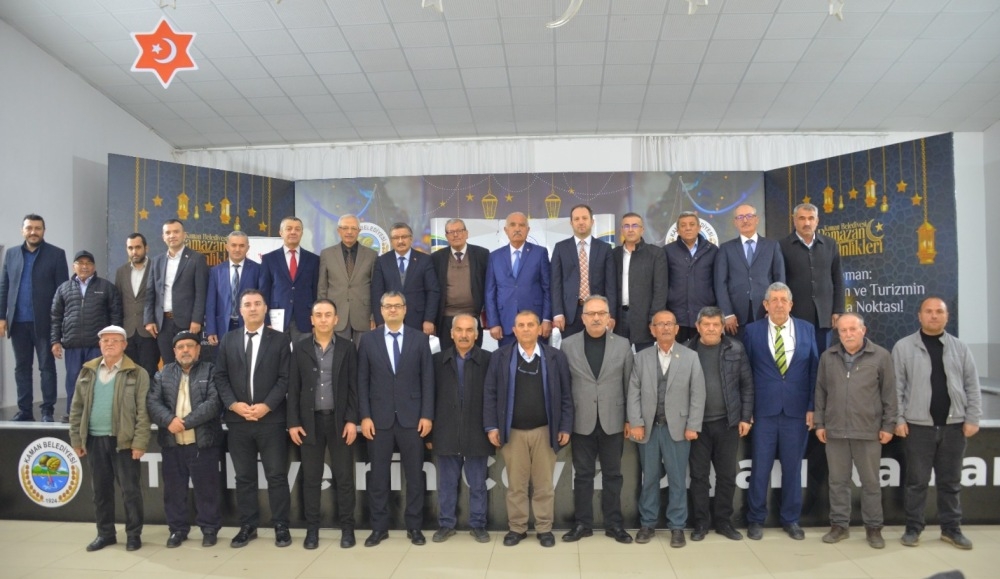
The event, organized in collaboration with the Office of Science Communication under the Corporate Communications Coordination Office, the Faculty of Agriculture, and the Kaman School of Applied Sciences, was held on February 5, 2026, in the Conference Hall of the Kaman Municipality Service Building. Faculty members from the Faculty of Agriculture—Prof. Dr. Rüştü Hatipoğlu, Prof. Dr. Selahattin Çınar, Prof. Dr. Yaşar Ertürk, Prof. Dr. Emre Şirin, Assoc. Prof. Dr. Ramazan Ayrancı, and Assoc. Prof. Dr. Ertuğrul Kul—participated as speakers, while academics, local officials, and numerous producers also attended the event.
Dr. Muzaffer Musab Yılmaz, Head of the Office of Science Communication, delivered the opening remarks, stating that the “Academy in the Field” events aim to directly connect the scientific knowledge produced at the university with practitioners in the field.
Following him, Prof. Dr. Selahattin Çınar, Dean of the Faculty of Agriculture, noted that the integration of academic knowledge with practical application would make significant contributions to the development of Kaman’s agricultural potential. Çınar emphasized that collaboration between the university and the community plays a critical role in agricultural development, adding that such events create a strong communication bridge between producers and academics.
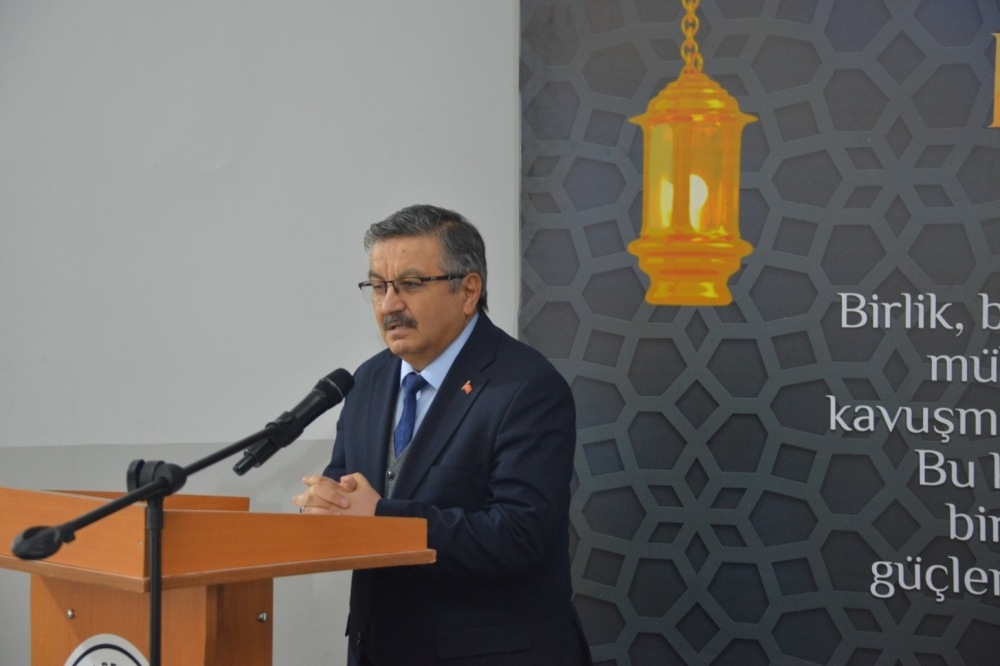
Following the opening remarks, a presentation delivered by Prof. Dr. Rüştü Hatipoğlu, a faculty member of the Faculty of Agriculture, highlighted the strategic importance of agriculture throughout human history. Hatipoğlu analyzed current production practices in the region based on scientific data by evaluating agricultural and livestock statistics for the district of Kaman, and shared important recommendations regarding sustainable production.
During the Q&A session of the program, local producers had the opportunity to directly convey the challenges they face in the field to the academics. The discussion between the producers and the academics from the Faculty of Agriculture covered topics such as the proper selection of pesticide application methods, effective cost management, the future of the agricultural profession, government subsidies, and preventive measures aimed at increasing productivity in livestock farming. Additionally, the impacts of climate change on agricultural production and strategic approaches to the proper planning of cropland were among the key topics highlighted during the program.
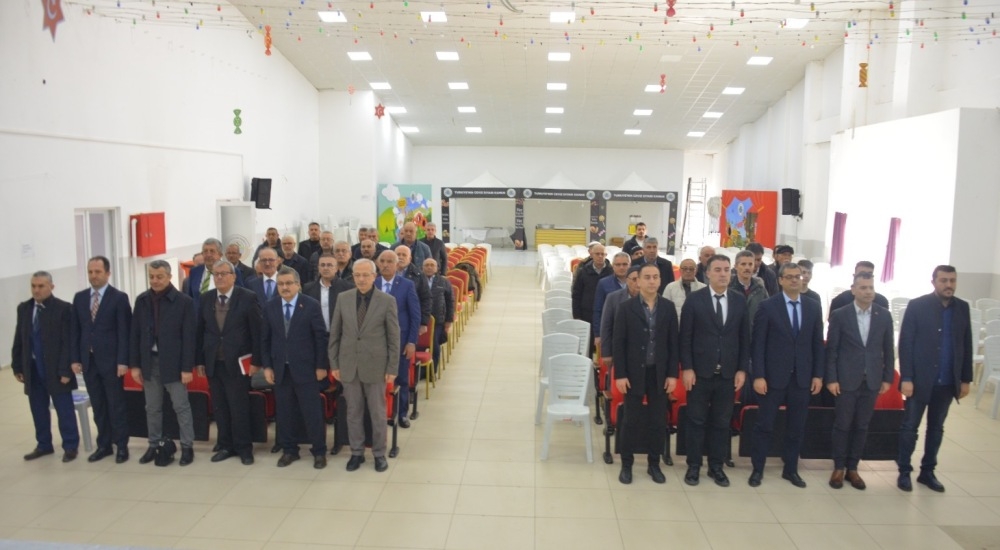
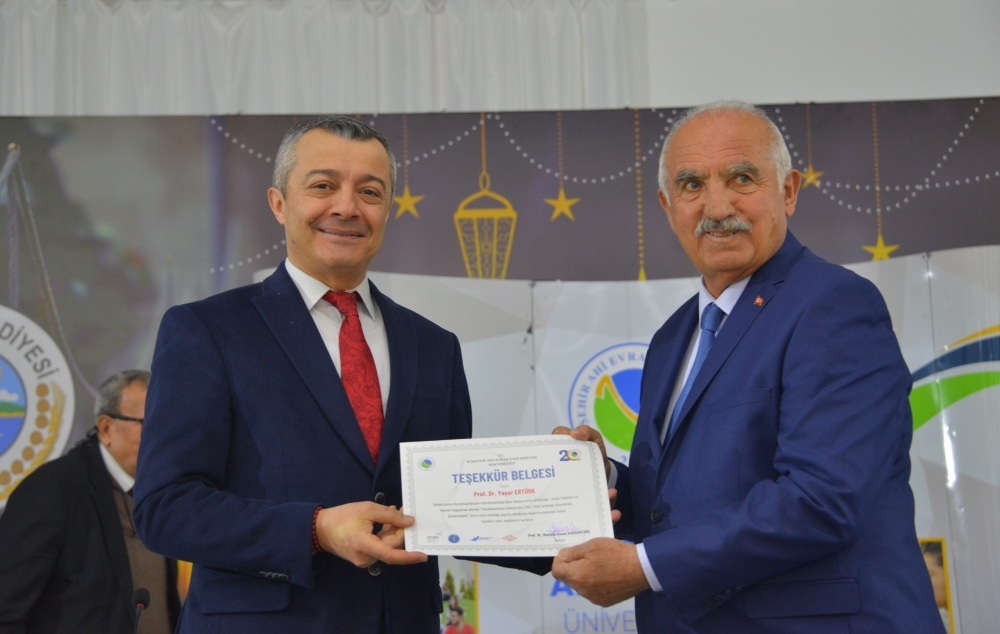
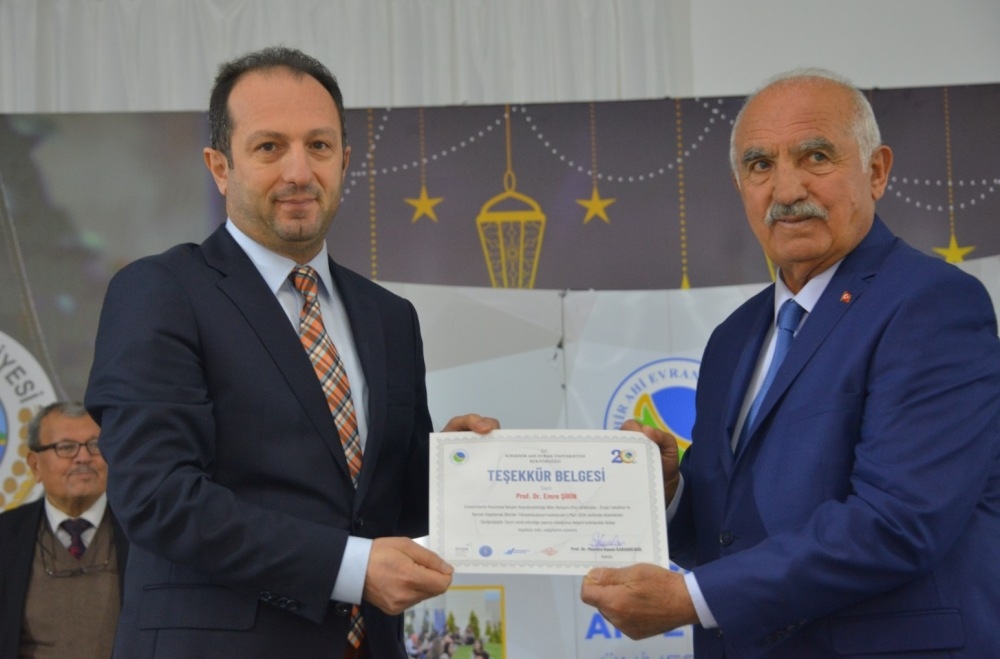
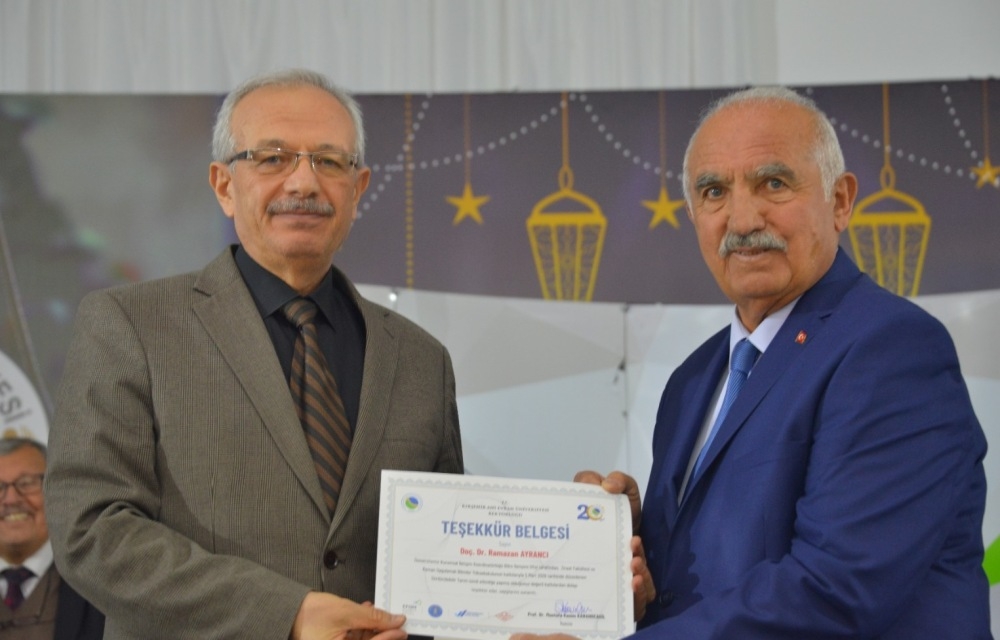
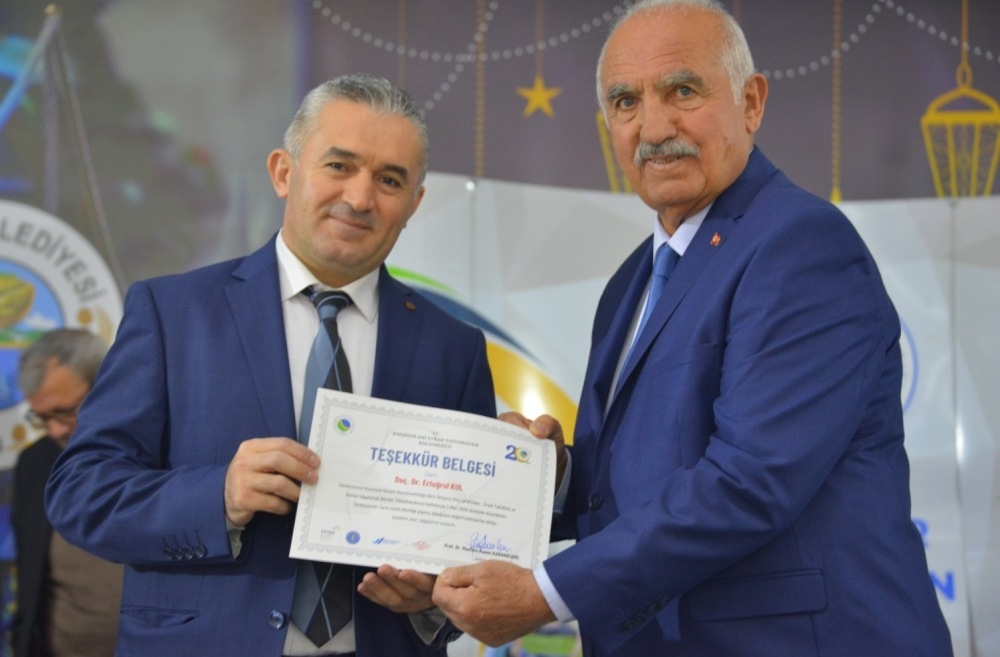
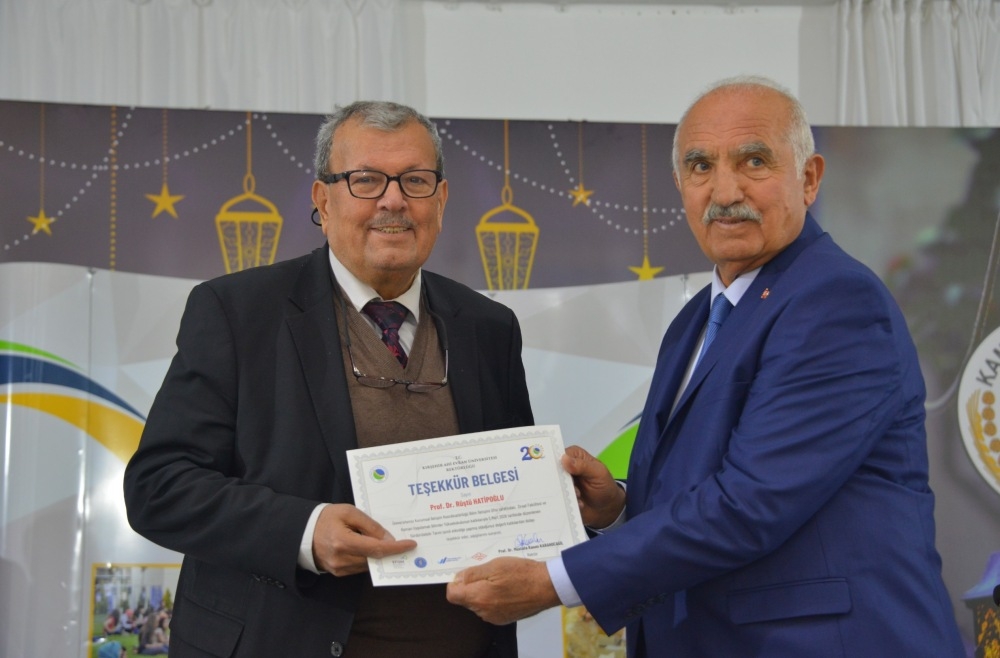
At the end of the program, certificates of appreciation were presented to the faculty members of the Faculty of Agriculture who contributed to the event. The event concluded with a group photo taken with the participants.