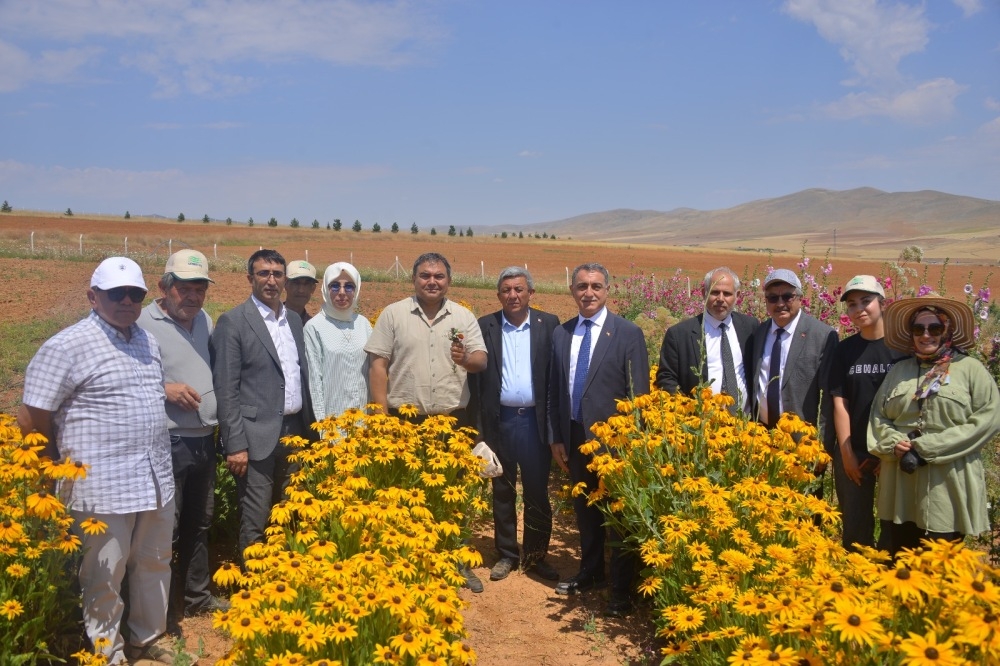
A ‘Field Day’ event was organised to share the agricultural research, trials and adaptation studies carried out by the Faculty of Agriculture at Kırşehir Ahi Evran University with farmers and the general public. The event, which took place on 14 July 2026 at the Faculty of Agriculture’s Experimental Field on the Main Campus, provided an opportunity to examine the practical applications of scientific research in the field.
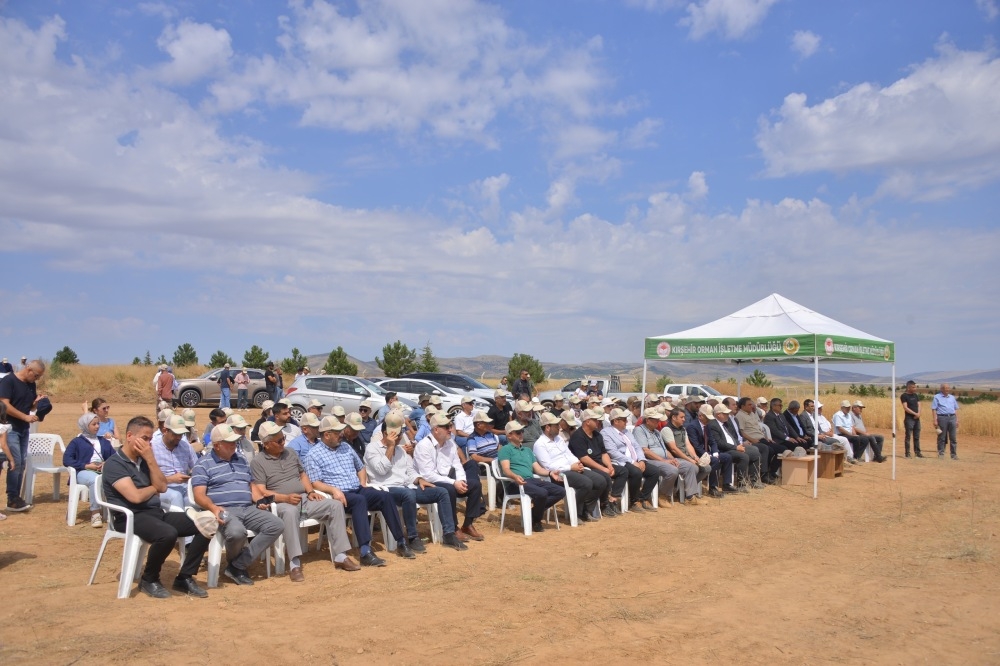
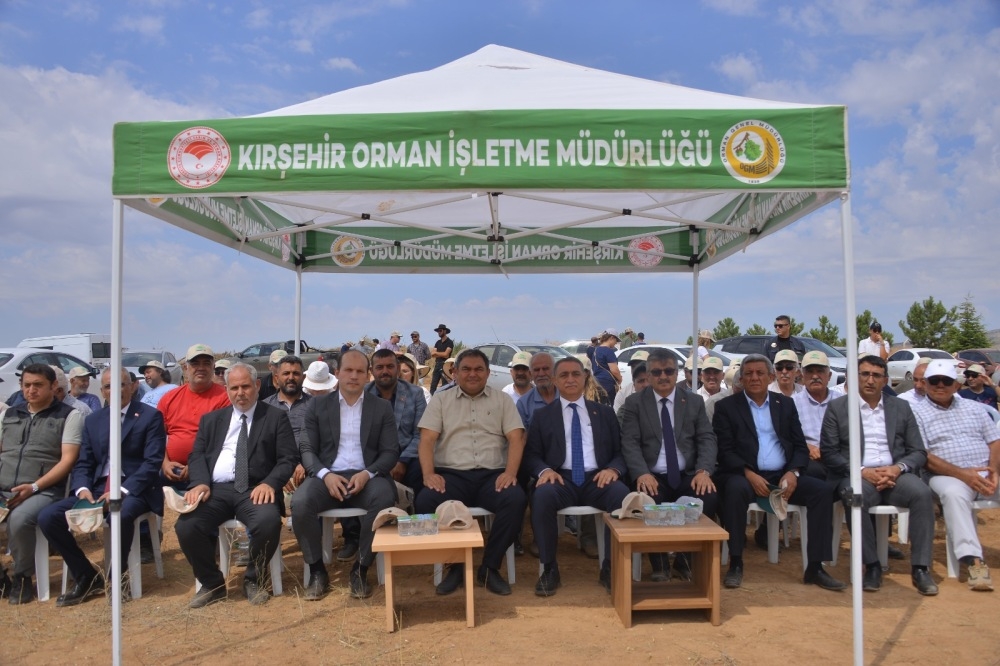
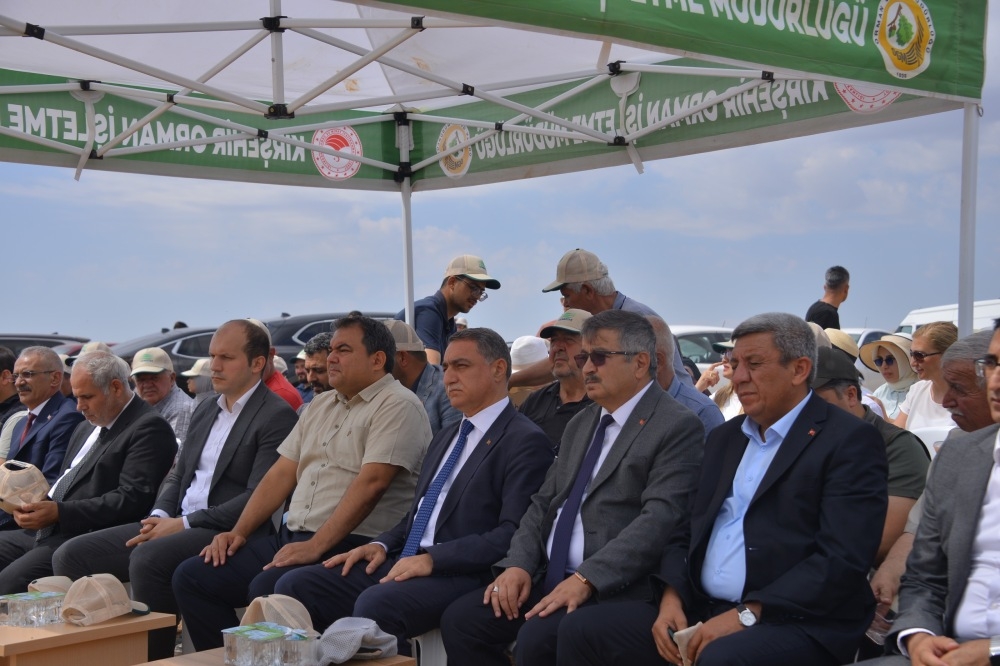
The event was attended by our University’s Rector, Prof. Dr Mustafa Kasım Karahocagil; the Deputy Governor of Kırşehir, Alper Balcı; the District Governor of Boztepe, Abdulhamit Bayram; the Vice-Rector, Prof. Dr Ali Güneş; the Provincial Director of Agriculture for Kırşehir, Bülent Zafer Taş; the President of the Kırşehir Chamber of Agriculture, Mevlüt Toprak; representatives of public institutions; farmers; academic and administrative staff; and students.
Prof. Dr Selahattin Çınar, Dean of the Faculty of Agriculture, who delivered the opening address at the programme, stated that they were delighted to share the results of the faculty’s long-standing scientific knowledge and experience, which are reflected in agricultural production. Noting that academic work should not be limited solely to scientific publications, Çınar emphasised that their primary aim was to contribute to farmers’ welfare and regional development by making the knowledge and technologies they had developed available to producers.
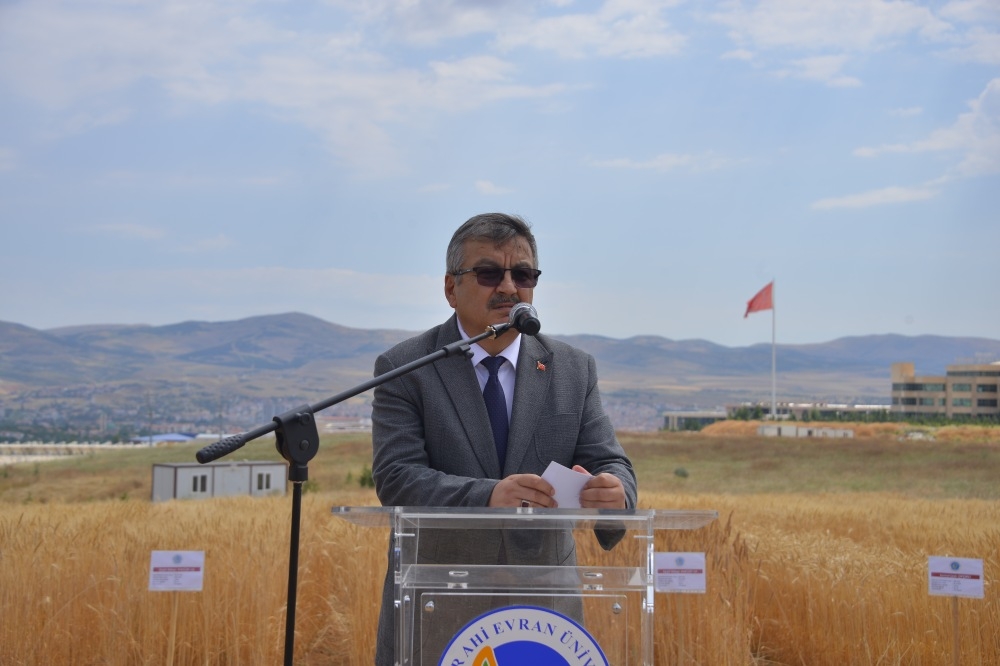
Prof. Dr Selahattin Çınar, highlighting Kırşehir’s agricultural production potential, said, “This year, wheat is being grown on an area of approximately one million dekar in Kırşehir. ‘Even a yield increase of just one kilogram per dekar achieved with the wheat varieties we have developed in our trial plots will, when the total production area is taken into account, generate an economic contribution worth millions of lira for our region and our farmers. An increase in our farmers’ prosperity also means the development of our region,’ he said.”
Speaking next, our University’s Rector, Prof. Dr Mustafa Kasım Karahocagil, stated that universities are not merely institutions of education, but must contribute directly to the needs of society through their knowledge and research capacity. Emphasising that agriculture and food production have become a strategic national security issue today, Rector Karahocagil highlighted the importance of taking scientific knowledge out of laboratories and trial fields and making it available to farmers’ fields and for the benefit of society.
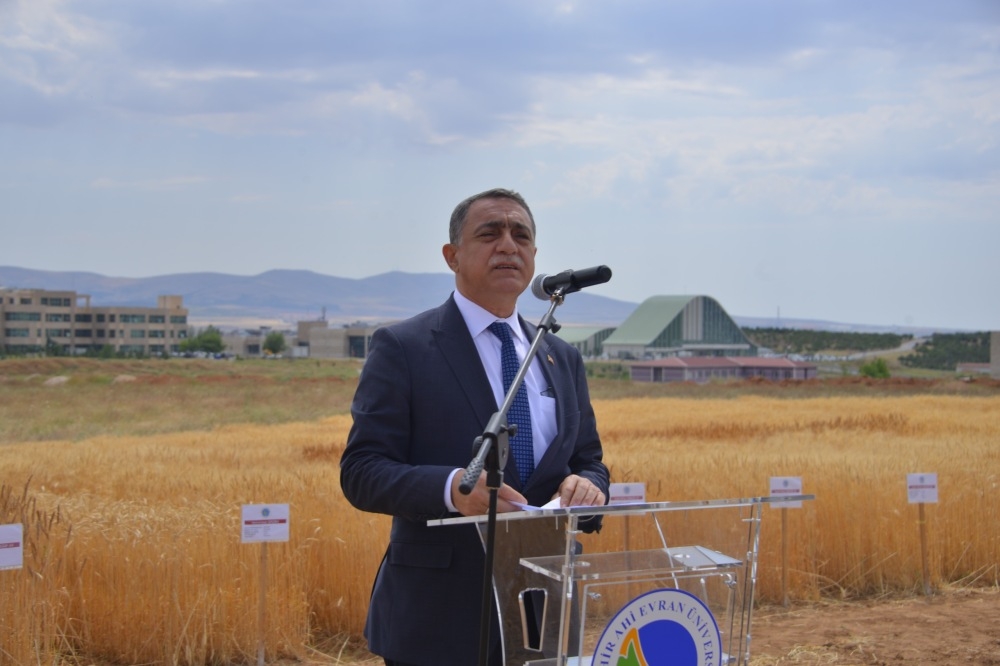
Stating that the Field Day event is a concrete reflection of the ‘science for society’ philosophy, Rector Karahocagil said that, following the University’s designation in 2016 by the Higher Education Council as a specialised university in the fields of agriculture and geothermal energy, it has continued its work in education, research and social contribution as an integrated whole. He noted that the scientific research carried out at the Faculty of Agriculture aims to develop practical solutions to regional problems in a wide range of fields, including crop production, livestock farming, soil management, irrigation technologies, plant breeding and agricultural mechanisation.
Rector Karahocagil also stated that, in addition to breeding programmes aimed at developing high-yielding, high-quality, disease- and pest-resistant varieties of wheat, barley and safflower, research is being conducted into cultivation techniques for rapeseed, wheat, oil flax, chickpeas and Hungarian vetch. He emphasised that the adaptation studies being carried out on 65 different species of medicinal and aromatic plants, particularly caraway, lavender and sage, are a significant indicator of the Faculty of Agriculture’s scientific capacity and the hard work of its academic staff.
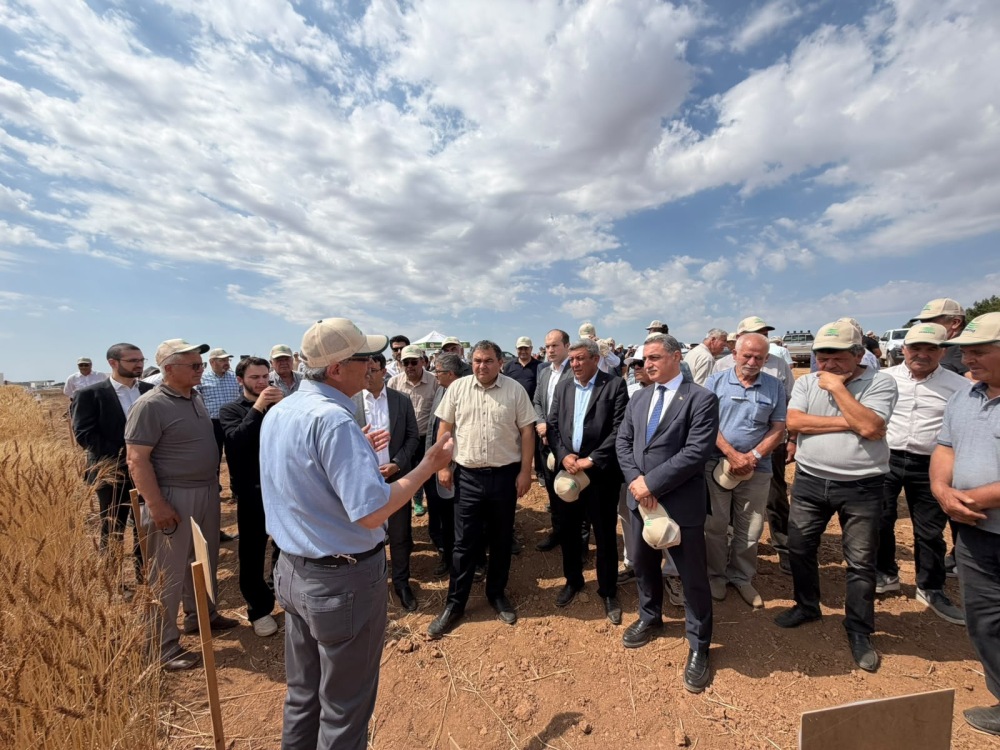
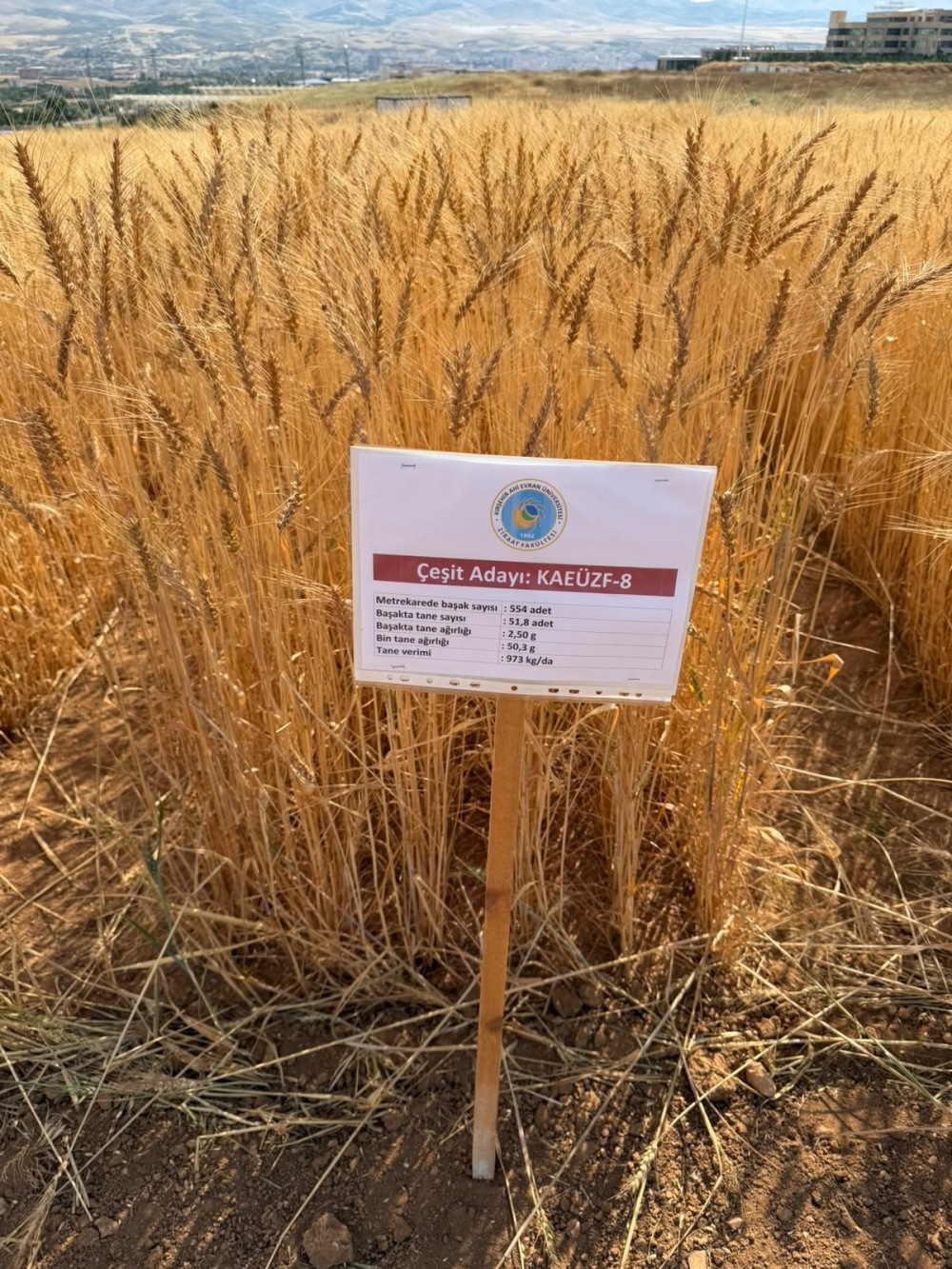
Following the opening speeches, participants toured the research and demonstration plots located at the Faculty of Agriculture’s Experimental Field. Among the studies highlighted during the plot tour, one demonstrated a wheat grain yield of 973 kg per decare, whilst another introduced summer rapeseed, which holds potential as an important alternative crop for the region’s agriculture. It was noted that adaptation and production studies are continuing within our Faculty to determine the suitability of summer rapeseed—the production of which has been successfully initiated in Konya—for the climatic and soil conditions of Kırşehir. The aim of these studies is to establish summer rapeseed as an alternative production model and source of income for local farmers.
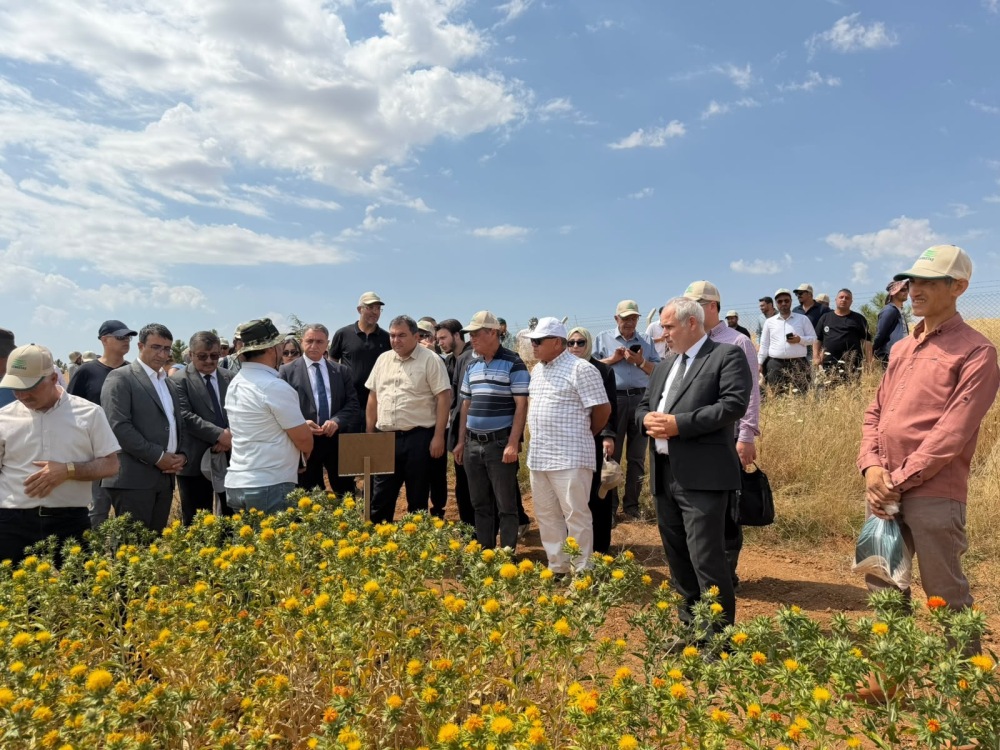
The scientific studies carried out on the trial plots were explained to the participants directly in the field by the researchers involved. Hakan Özbey, a young researcher currently pursuing his master’s degree at the Faculty of Agriculture, provided information on projects relating to chickpea breeding and cultivation techniques and answered the participants’ questions.
As part of the event, participants had the opportunity to visit trial plots for arable crops such as wheat, barley, safflower, chickpeas and Hungarian vetch, as well as the medicinal and aromatic plant garden comprising 65 different species, where conservation, development and adaptation work is being carried out at our University.
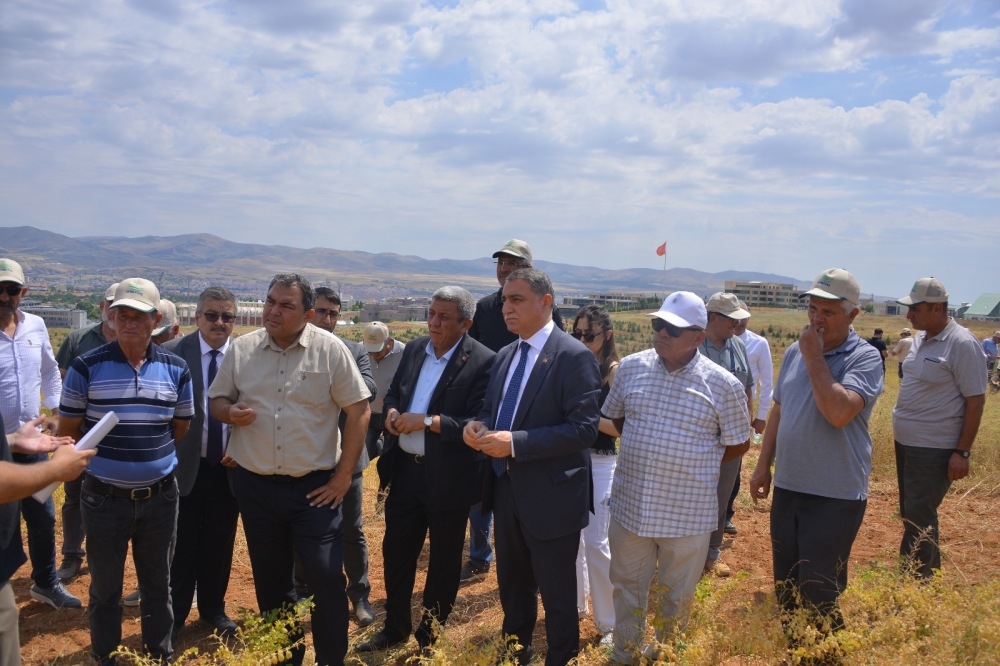
The Field Day event, hosted by our Faculty of Agriculture, served as an important gathering for transferring scientific knowledge to the field, bringing together academics and farmers, and sharing initiatives aimed at regional agricultural development with the public.